Blog
When Your Child Won’t Take Handwriting Advice: What to Do Next
Jun
Many parents face the frustrating reality that their child won’t take handwriting advice from them. You may have offered tips on using proper pencil grip, forming letters neatly, or even suggested fun handwriting activities—but your child brushes them off.
Don’t worry—this is a common challenge. There are several effective strategies you can use to support your child’s handwriting development without sparking resistance.
Understand Yur Child’s Perspectiveo
Start by considering why your child may be resistant. Children often seek independence and may view advice from parents as criticism rather than support.
They may respond better to teachers or peers than to you. This doesn’t mean your guidance isn’t valuable—it simply may be a matter of timing, delivery, or emotional readiness. Sometimes, resistance comes from frustration or a lack of confidence rather than defiance.
Shift Your Approach: Make It Fun and Collaborative
If your child resists traditional instruction, try a more playful and cooperative approach.
- Invite them to a “handwriting challenge” where you both participate.
- Use colorful tracing worksheets and reward-based activities to make writing feel like a game.
- Turn handwriting practice into a bonding session instead of a correctional task.
This reframing can help your child feel involved and empowered, making them more likely to engage.
Incorporate Technology and Creative Tools
Technology can help bridge the gap between your guidance and your child’s willingness to participate.
- Try handwriting apps that gamify the experience.
- Look for apps that include interactive tracing, animated letter guides, and progress tracking.
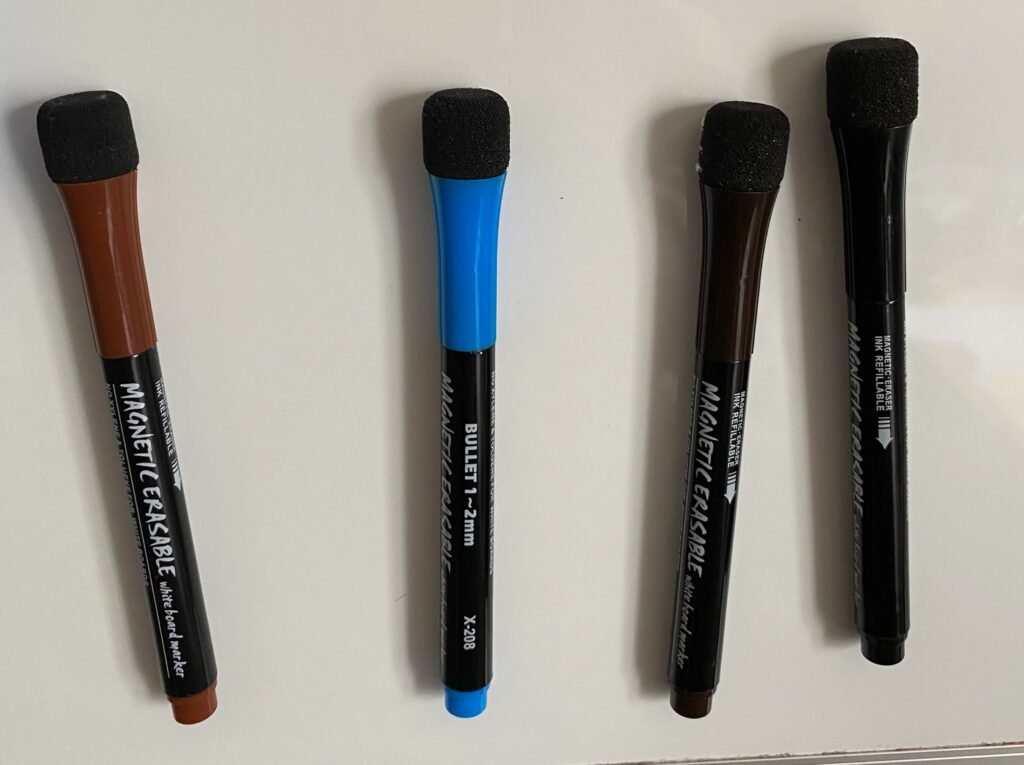
- Blend these with classic tools like whiteboards, sensory writing mats, or gel boards for a balanced approach.
These tools provide instant feedback and make writing practice more engaging and low-pressure.
Explore Underlying Issues
If your child consistently resists handwriting practice, consider whether deeper challenges are involved:
- Struggles with fine motor skills
- Visual processing issues
- Lack of self-esteem around writing
In such cases, consulting with an occupational therapist or specialized tutor can be incredibly helpful. A neutral third party can often introduce techniques your child will be more receptive to.
Communicate and Celebrate Small Wins
Create a supportive environment by:
- Praising effort, not just results
- Focusing on improvement rather than pointing out mistakes
- Using a reward chart or sticker system to mark milestones
- Offering genuine, non-judgmental encouragement
When children feel safe and successful, they are more likely to keep trying.
In Conclusion
When your child won’t take handwriting advice from you, it may be time to change tactics.
By understanding their perspective, making learning enjoyable, using engaging tools, and exploring potential challenges, you can help them improve without conflict. With patience, creativity, and a positive tone, your child’s handwriting—and their confidence—will flourish.
Happy writing!

