Blog
Guide to Fun and High-Impact OT Exercises to Improve Handwriting: A Parent’s Resource
Feb
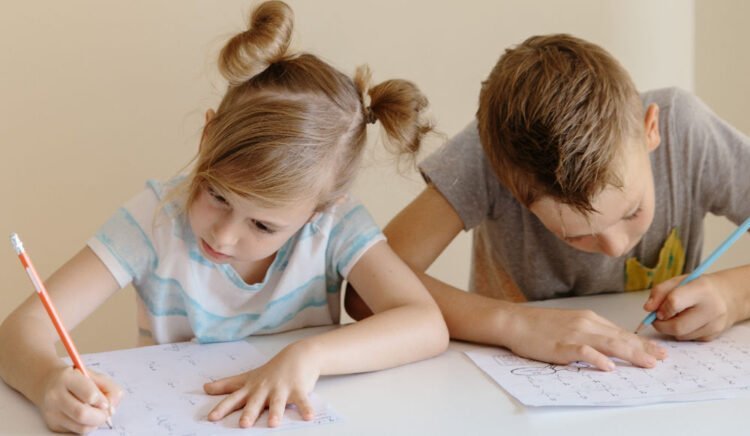
Every parent wants their child to succeed in school, and neat, legible handwriting plays an important role in that success. Occupational therapy (OT) exercises can significantly enhance your child’s fine motor skills—making handwriting practice both effective and enjoyable.
This guide outlines fun, high-impact OT activities you can easily integrate into your child’s routine to turn handwriting practice from a chore into a rewarding daily habit.
Why Occupational Therapy Exercises Matter
Handwriting is challenging for many children—even those without diagnosed difficulties. OT exercises target the underlying skills needed for good handwriting by building:
-
Hand strength
-
Coordination
-
Motor planning and control
These exercises improve letter formation, spacing, and writing consistency. More importantly, they help your child develop confidence and focus in their writing abilities.
Fun and High-Impact OT Exercises to Enhance Handwriting
1. Sensory Writing Trays
Create a tactile writing experience using a tray filled with sand, shaving cream, or salt.
Let your child trace letters with their finger or a paintbrush. This activity engages multiple senses and reinforces correct letter shapes through visual and tactile feedback.
2. Playdough Letter Formation
Playdough is great for developing fine motor control. Encourage your child to:
-
Roll playdough into “snakes”
-
Form letters with the dough
-
Pinch and press for added resistance
This builds strength in the fingers and wrists—essential for better pencil control.
3. Big Arm Writing
Use a large surface like a whiteboard or wall-mounted paper. Have your child:
-
Write oversized letters or words
-
Engage their shoulders and arms to support gross motor movements
This develops muscle memory and spatial awareness, helping them transition more easily to small, controlled handwriting later.
4. Tracing and Copying with Guidelines
Provide worksheets with:
-
Dotted letters for tracing
-
Raised lines or wide-ruled paper for better alignment
Start with simple tracing and move on to copying words. This builds visual-motor integration and improves consistency in letter size and spacing.
5. Fine Motor Skill Games
Make motor skill development fun with activities like:
-
Threading beads
-
Using tweezers to sort small items
-
Assembling simple puzzles
These games strengthen hand muscles, precision, and coordination—all necessary for neat writing.
6. Interactive Technology
Use handwriting apps that offer:
-
Animated tracing tools
-
Instant feedback on strokes
-
Fun rewards for completed tasks
Blending tech with hands-on activities keeps children engaged—especially those reluctant to practice on paper.
Conclusion
By incorporating these OT exercises into your child’s daily routine, you’ll help improve their handwriting in a fun, stress-free way.
✔ Keep sessions short (10–15 minutes)
✔ Be consistent with practice
✔ Celebrate small wins to boost motivation
With the right mix of structure and play, your child will build strong handwriting skills and lasting confidence.

