Blog
Discover the Best Handwriting Aids and Tools: A Parent-Friendly Guide
Feb
As a parent, you want your child to develop neat and legible handwriting—whether for school or personal expression. Fortunately, with the right handwriting aids and tools, you can make a significant difference in your child’s writing skills. In this post, we’ll explore some of the best handwriting aids, from ergonomic pencil grips to multisensory writing tools, designed specifically to support your child’s fine motor development.
Why Handwriting Tools Matter
Quality handwriting tools not only improve penmanship—they also build confidence and independence in your child’s learning process. Many children benefit from using aids that promote proper pencil grip and support correct letter formation.
If your child struggles with maintaining a consistent grip or spacing, specialized tools can encourage better writing posture and technique. By integrating these tools into everyday practice, you’re paving the way toward better handwriting skills and improved academic performance.
Essential Handwriting Aids for Children
- Ergonomic Pencil Grips
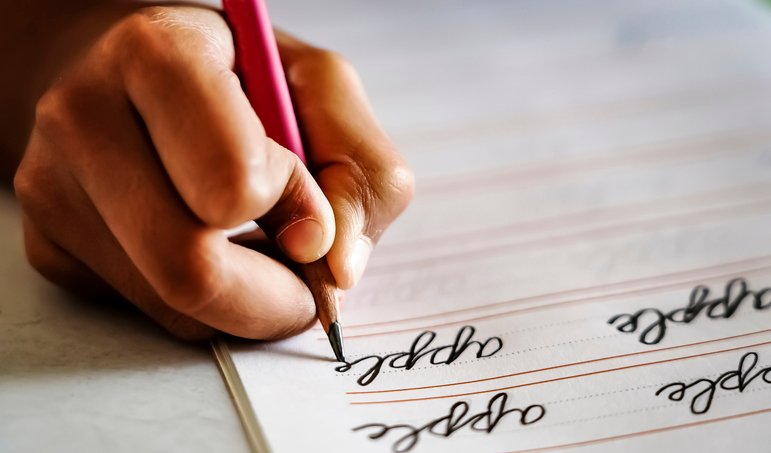
Pencil grips are one of the most popular aids, helping guide your child to hold their pencil using the recommended tripod grip. Consider colorful options like the Mlife Pencil Grips or Firesara Left-Handed Pencil Grips for a fun, non-intimidating start. These grips work for both right- and left-handed children and promote optimal hand positioning. - Adaptive Pens and Markers
Ergonomic pens and markers—such as the PenAgain or other adaptive options—are designed to reduce hand strain and encourage a natural grip. These tools are especially helpful for children with dyspraxia, dysgraphia, or other fine motor challenges. A thicker, softer grip can turn writing time from a frustrating task into an enjoyable experience. - Multisensory Writing Surfaces
Sensory-rich tools like textured writing boards, sand trays, or shaving cream mats allow children to trace letters while engaging multiple senses. These multisensory aids strengthen letter formation and muscle memory, making handwriting practice both fun and effective. - Specialized Paper and Writing Pads
The right paper can make a world of difference. Look for lined or graph paper with raised guidelines that help children maintain proper letter size and spacing. Some writing pads also offer arrow-guided lines to reinforce consistent letter placement and direction.
Integrating Handwriting Tools Into Daily Practice
Consistency is key. Set aside 10–15 minutes daily for focused handwriting practice, using a combination of the aids mentioned above.
Celebrate small wins with positive reinforcement—praise your child’s effort and progress rather than perfection. This supportive approach is especially important for children who may have faced discouragement in the past due to handwriting difficulties.
Final Thoughts
By choosing the right handwriting aids and integrating them into regular practice, you can empower your child to write more clearly and confidently. With patience, engaging tools, and a nurturing environment, better handwriting is within reach.

