Blog
Practical Solutions for Common Letter Mix-Ups: Helping Your Child Overcome B and D Reversals
Apr
Many parents notice that their child sometimes mixes up letters such as b and d, or other similarly shaped characters. Although this is a common developmental stage, these letter reversals can be frustrating for both children and parents.
The good news is that there are many practical, fun, and engaging strategies to help your child overcome these challenges and build strong handwriting skills.
Understanding Letter Reversals
Letter mix-ups—especially between b and d—often occur because these letters look very similar. In the early stages of writing, children are still developing spatial awareness and fine motor control.
This issue is not a sign of poor intelligence—it’s a normal part of learning to read and write. Letter reversals typically reflect that a child’s brain is still mastering visual discrimination—the ability to recognize and order letters correctly.
Strategies to Correct B and D Confusion
1. Use Memorable Mnemonics
Simple verbal cues help children remember the correct letter formation:
- “Bed Rule”: Teach your child that b comes first in the word “bed,” and d Visualize the b as the headboard and the d as the footboard.
- “B at the Beginning”: Remind them that b comes before d in the alphabet—this helps reinforce the correct sequence and direction.
2. Visual and Tactile Aids
Engage your child’s senses with hands-on learning:
- Sand or Salt Tracing: Let your child trace letters in a tray filled with sand or salt using their finger.
- Playdough Letters: Have them form the letters b and d using playdough. Feeling the shape helps strengthen letter recognition and motor memory.
3. Practice Through Art and Games
Make learning fun with creative activities:
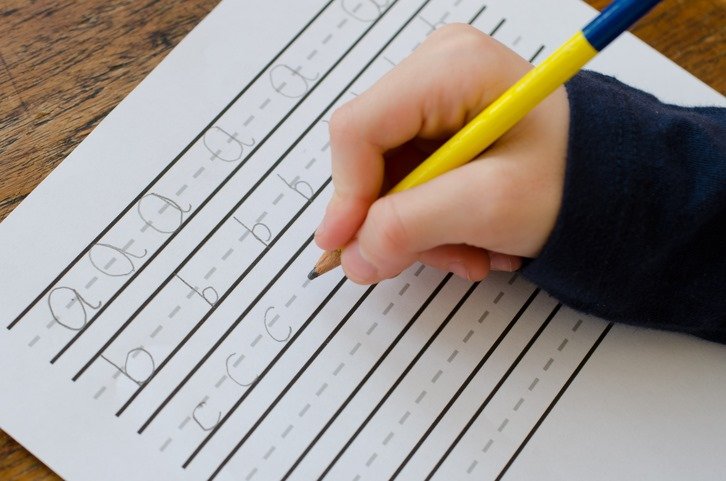
- Letter Tracing Worksheets: Use dotted-letter worksheets so your child can trace b and d
- Interactive Letter Hunts: Have your child search for and highlight all the b or d letters in a magazine or book.
- B vs. D Bean Bag Toss: Label two buckets with b and d, and challenge your child to toss bean bags into the correct one. Turn practice into play!
Developing Consistency and Confidence
Repetition is key. Keep practice sessions short and daily to avoid overwhelm. Encourage your child to say the letter name and sound aloud while writing—it strengthens the connection between movement, sound, and visual recognition.
Use positive reinforcement to celebrate small wins. Stickers, praise, or a simple progress chart can help boost your child’s motivation and confidence.
With consistency, encouragement, and playful repetition, children gradually stop reversing letters and begin writing with clarity and confidence.
Final Thoughts
By using these practical strategies and creative activities in a fun, engaging way, you can help your child:
- Correct b and d reversals
- Strengthen handwriting skills
- Build the confidence they need to succeed academically and creatively
Patience, praise, and persistence will make all the difference!
